Blog
SPLOST II August Recap
SPLOST II annual report outline approved. Here's what Public Safety spending actually revealed.
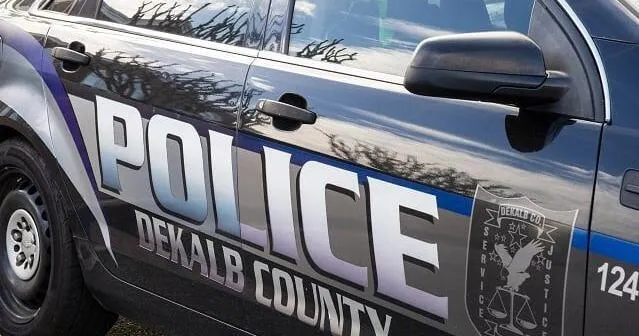
The countdown is officially on. The SPLOST II Residents Review Committee approved our annual report document outline in August, and we're one step away from dropping the full report in September.
This wasn't a solo project. The committee broke into working sessions with three to four people at a time debating, cutting, and reframing sections together. Everyone had input in the process. My job as chair was finding the balance between those different directions and making sure the whole thing held together when we stitched it back together. It worked. The outline is stronger than it would have been if one person had just written it.
We also restructured how we gather information from county staff. Instead of nine committee members independently pinging the office with questions, we funneled everything through the CEO appointees. They pull data from the COO, the SPLOST manager, and the department directors, then organize it and collaborate on it before bringing it back to the full committee. It sounds like process work, but it actually protects county staff from getting buried in duplicate requests, and it means when one district committee member finds something important, all districts learn about it at the same time. A real thank you to the CEO appointees for actually stepping up to do this role.
What Public Safety Spending Told Us
Here's what we found in the Public Safety category:
Facilities are old and need replacement. Replacement work is actively happening on fire stations, police precincts, and the Animal Shelter, but replacement isn't a quick process. Design and sight planning are underway and immediate repairs on existing buildings like HVAC overhauls and roof work are keeping facilities operational. Unfortunately you can't wait for the new building to finish before you fix the current one. This is where the money is going. Today's needs have to come before tomorrow's vision.
SPLOST I isn't finished, and SPLOST II is paying for it. Construction costs have gone up dramatically since SPLOST I was originally approved, and the fire station replacement program is a direct example of this reality. Projects that were budgeted at one price are now costing 30-40% more to actually build. Current tax dollars are being used to close that gap between what was promised and what it actually costs to deliver. If you ask the county that's not failure or mismanagement... that's inflation. But it's something residents need to understand when they think about what SPLOST II is funding, because some of the money they're paying is finishing what was promised in SPLOST I rather than starting new work.
Planning costs money and takes time. The county allocated funds for a multi-month master plan that's going to assess long-term needs across police precincts, the Fire Training Academy, firing ranges, and administrative headquarters. This is study and assessment work. The committee made a point of noting that anything this plan recommends will need a separate funding source to actually build, so we're not just spending money on current work. We're spending money to plan future work, and that distinction matters.
Multi-agency hubs housing police, courts, IT, and evidence storage continue to demand serious capital spending, and these aren't just buildings you can throw up quickly. They're systems integration projects with a lot of complexity and security built in.
What Actually Happened
Darnell Fullum, Greg Padrick, Melvin Carter, and Natasha Wallen all showed up to the same room and they were willing to talk straight about what they need and what they're actually doing with the money. That doesn't happen by accident in government. It requires leadership at the top saying "this matters" and department heads actually believing it enough to invest their time in being there. I applaud the Madam CEO for valuing the important work this committee is doing.
The cohesion across those four departments was genuinely remarkable because they weren't operating like competing silos protecting their turf. They were operating like people trying to solve the same problem together, which is rare in my experience.
After the formal meeting ended, I had the opportunity to sit down with Chief Padrick and Public Safety Director Fullum to talk about mental health response work, and we're building something real there. It's not just committee business. It's an actual working relationship that might lead to something meaningful. That's the kind of momentum that doesn't show up in a report outline, but it's exactly why August mattered.
What's Left
- TODO: We will be meeting with Finance, Accounting, Budget, and Procurment leaders before end of year.
- TODO: One more deep dive on Category D Capital Outlay!
The work is real and the whole team is locked in. When citizens are involved in oversight you don't get the smoke-and-mirrors polished version of the story, you get what actually is happening.
I'm excited to share our first annual report once it goes live this September!